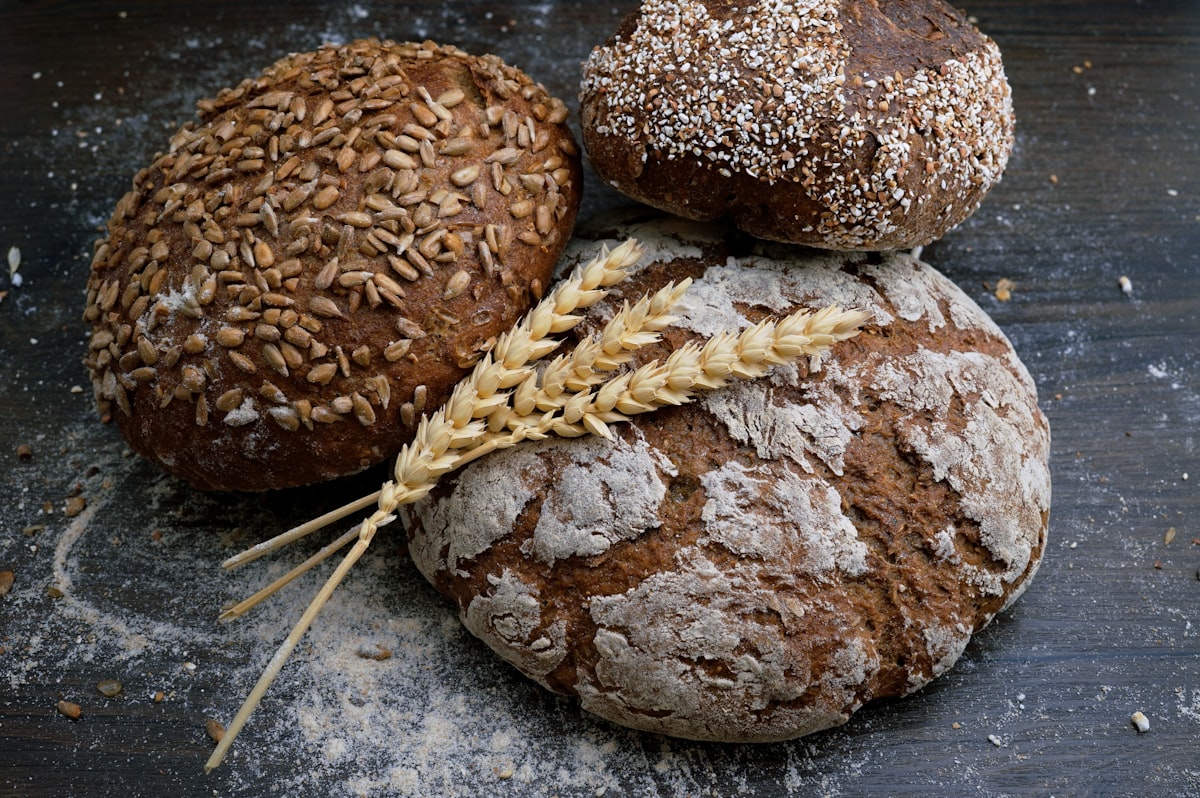
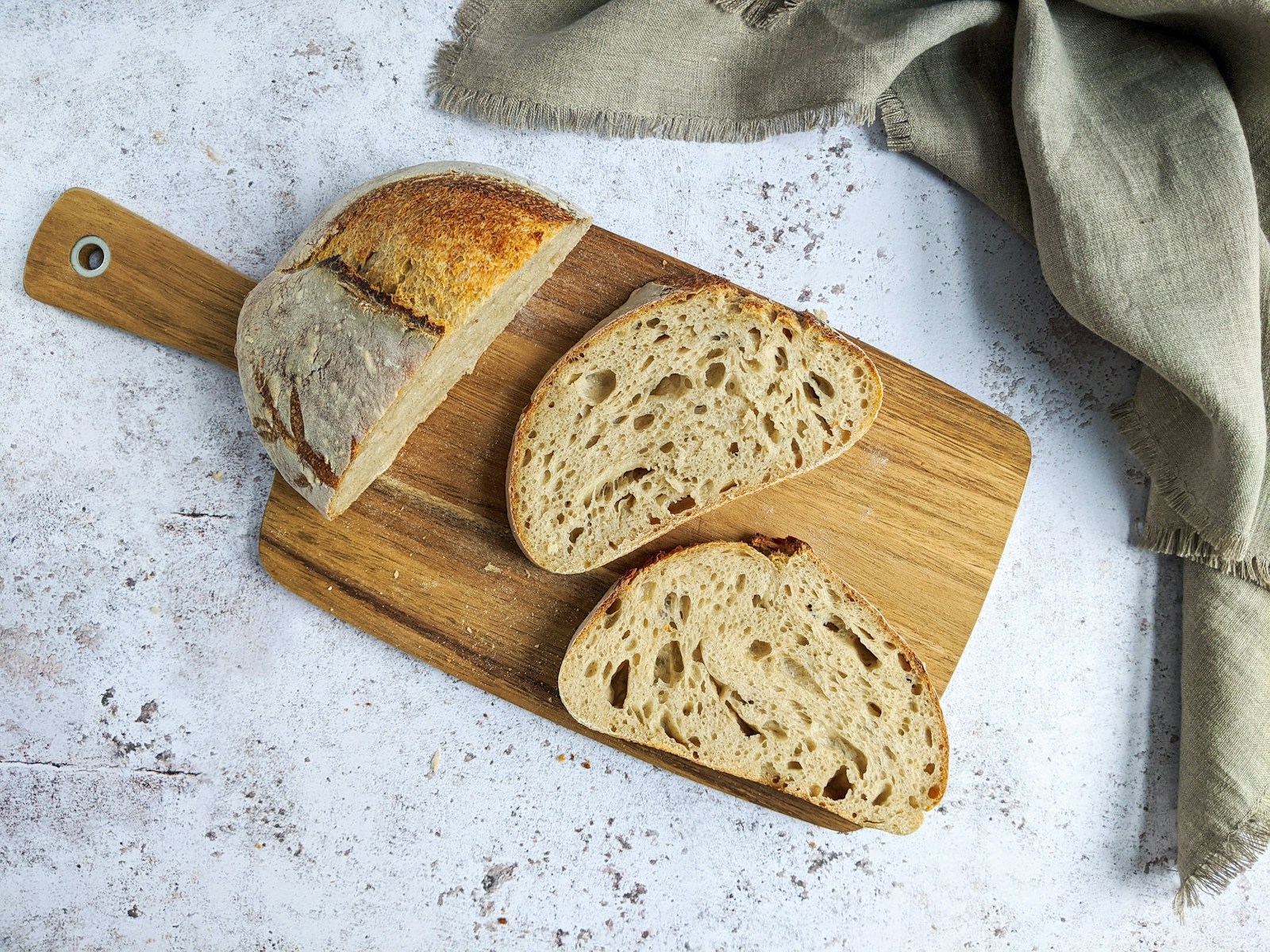
The Italian bread map is one of the more underappreciated regional resources in European food tradition. Most of the discussion of Italian gastronomy focuses on pasta, regional sauces, cured meats, cheeses and wine — categories where Italy’s regional depth is widely understood. The bread tradition is at least equally rich, with each region producing distinctive styles that reflect local wheat varieties, water characteristics, climate and centuries of accumulated technique. Northern Italy alone supports perhaps thirty distinct regional bread types in active production, with several more that exist primarily as historical recipes still occasionally made by traditional bakeries.
This piece is a working guide to the bread cultures of northern Italy as they exist in 2026 — what each region produces, what makes the styles distinctive, where to find good examples, and what the styles reveal about the broader regional food traditions in which they are embedded.
Lombardy: the michetta and its cousins
The defining bread of Milan is the michetta (also called rosetta in Roman tradition, where it has somewhat different characteristics). The michetta is small, with a flower-shaped top divided into petals, and a distinctive hollow interior produced by the specific dough handling and proofing technique. The hollow makes the bread particularly suitable for split-and-fill use as a sandwich roll, especially with thinly sliced cured meats and cheeses.
The Milanese michetta tradition has been substantially reduced in recent decades, partly because the technique is laborious and partly because many bakeries have switched to mass-produced versions that lose the distinctive characteristics. Several heritage bakeries in Milan continue to produce traditional michette: Panificio Davide Longoni on Via Carlo Crivelli, Le Polveri in Lambrate, and the historic Panificio Rinaldi. The 2014 founding of the Slow Food Praesidium for the Milanese michetta has supported the survival of the traditional production.
Beyond the michetta, Lombard bread tradition includes the pane di Como (a wheat-rye blend with substantial keeping properties), biova (a larger soft-crumbed loaf), and various smaller breads from the Bergamasco and Brescia regions including the panini al latte tradition that supplied the textile mill workers of these areas.
Piedmont: grissini and the breadstick tradition
Piedmont produced one of the most internationally exported Italian bread products: the grissini torinesi. The crisp dry breadsticks were reportedly developed in the seventeenth century by court baker Antonio Brunero for the young Vittorio Amedeo II, who suffered from digestive problems that the dense traditional breads aggravated. The grissini’s lighter character supposedly resolved the problem; whatever the historical accuracy of the origin story, the breadstick has been a Turin signature for over three centuries.
Traditional grissini are stretched by hand to produce irregular surfaces and unique characteristics, in contrast to the uniform extruded grissini of mass production. Several Turin bakeries continue traditional production: Forno Mazzola on Corso Casale, Panificio Bertero in San Salvario, and the ones produced by Eataly‘s Turin headquarters bakery for in-house consumption.
Piedmont’s broader bread tradition includes the pane di segale rye breads of the Alpine valleys (particularly the Val Varaita and Val Maira), the biova piemontese (similar to the Lombard biova but with regional variations), and the cornbread melga from the wine-growing regions where corn cultivation became important during the nineteenth century.
Liguria: focaccia in its proper context
Ligurian focaccia is one of the most internationally recognised Italian breads, but the version sold in cafés and supermarkets across Europe is often substantially simpler than the genuine Genoese tradition. Authentic focaccia genovese uses a substantial proportion of olive oil in the dough itself, plus more poured over the top before and after baking, with a simple brine of water and salt that produces the distinctive surface texture. The traditional thickness is approximately 2 cm, and the bread is most distinctively eaten as a breakfast or mid-morning snack rather than as part of a meal.
The focaccia di Recco — a thin, almost paper-like cheese-filled focaccia from the Ligurian town of Recco — has IGP protection and is made by only about a dozen producers in a designated geographic area. The dough contains no yeast and is stretched extremely thin, filled with crescenza cheese, then baked at very high temperature for a short period.
The fugassa, a sweet variant containing sugar, eggs and orange zest, is traditional for Easter and is produced by several Genoese bakeries seasonally.
Veneto: the Pinza and the bread of the lagoon
Venetian bread tradition is more limited than the more substantial regional bread cultures further west, partly because the city’s mercantile history relied on imported wheat and partly because the lagoon environment did not support extensive local agriculture. The most distinctive Venetian bread is probably the pane veneziano in its simpler form, with the more elaborate pinza as an Epiphany speciality.
Veneto’s interior produces more substantial bread traditions, including the pane di Verona tradition, the fugassa veneta (a sweet rich Easter bread), and the various small artisan productions of the Treviso region.
Emilia-Romagna: piadina and beyond
The piadina is the defining flat bread of Romagna, traditionally cooked on a hot earthenware disc (testo) over an open fire. Modern production uses specialised metal griddles, but the principle is the same: a simple flour, water, salt and lard dough rolled thin and cooked briefly on each side. Piadina is the everyday bread of the Romagna region and serves both as accompaniment to meals and as a wrap or pocket for fillings.
The crescentina (also called tigella) of the Modenese Apennines is a distinctive small disc-shaped bread, traditionally split and filled with cured meats and cheese. Despite its limited geographic origin, the crescentina has expanded substantially across northern Italian restaurant menus over the past two decades.
Bologna’s bread tradition centres on the cresconata and various small soft breads suited to the city’s substantial cured meat tradition. The pane modenese tradition is more substantial, with several producers including the historic Panificio Sant’Apollonia.

Friuli Venezia Giulia: Slavic and Alpine influences
The bread tradition of Friuli Venezia Giulia reflects the region’s position at the boundary of Italian, Slovenian, Austrian and Hungarian influences. The most distinctive Friulian bread is probably the pinza in its Friulian form (related to but distinct from the Venetian pinza), prepared for Epiphany.
The buschetin is a traditional Friulian rye bread, with substantial keeping properties suited to mountain regions. The various focacce friulane include sweet variants prepared for harvest celebrations.
Trentino-Alto Adige: South Tyrol bread tradition
The Trentino-Alto Adige region produces some of the most distinctive bread in Italy, reflecting the strong Austrian influence in South Tyrol and the Alpine climate’s particular requirements. The vinschgerl (also called vinschger paarl) is a traditional Vinschgau valley bread, made with rye flour, fennel, anise and cumin spices. The flat round paired loaves are produced and aged for substantial keeping.
The schüttelbrot is a hard cracker-like rye bread with substantial spice content, traditionally produced for long preservation in mountain pasture cabins. The bread is essentially indestructible and traditionally kept for months as part of mountain provisioning.
The pane di segale altoatesino represents the broader rye bread tradition of the region, with several artisan producers continuing to use traditional sourdough techniques.
What good Italian bread requires
The decline of traditional bread production in many Italian cities over the past half-century is real, with mass-produced supermarket bread replacing artisan production in many neighbourhoods. The recovery of artisan bread has been more partial in Italy than in some northern European countries, partly because the Italian food system has not generally experienced the same generation of new artisan bakers that has reshaped bread cultures in countries including the UK, Germany and the United States over the past fifteen years.
Several factors define genuinely good Italian bread, regardless of regional style. The flour matters substantially: traditional Italian bread relies on relatively soft wheat varieties (Tipo 0 or Tipo 1) rather than the higher-protein flours typical of French or American bread, and locally produced traditional grains (grano duro, grano tenero, regional landraces) produce noticeably different results than industrial commodity flours.
Sourdough versus commercial yeast distinguishes much traditional production from industrial production. Many of the regional bread types developed when commercial yeast did not exist; they are properly made with sourdough cultures and lose substantially in commercial yeast versions.
Time matters. Genuine artisan bread requires extended fermentation — typically twelve to twenty-four hours total dough time — that mass production cannot accommodate. The flavour development and digestibility benefits of long fermentation are not replicable through additive shortcuts.
Where to find good bread in 2026
Across northern Italy, the most reliable places to find good traditional bread are typically small artisan bakeries (panifici artigianali) rather than supermarkets or chain bakeries. Each major city has a small number of bakeries continuing serious traditional production, often with limited daily quantities and early sell-out times.
The Slow Food movement, founded in Italy in 1986, has been particularly important in supporting traditional bread production through its Praesidium programmes that provide marketing and technical support to producers maintaining traditional methods. The Slow Food guides for each Italian region include substantial detail on traditional bread producers.
The renaissance of Italian artisan bread, while less developed than in some other European countries, has produced several notable contemporary producers including the bakeries already mentioned and many smaller ones in towns across the north.
How to evaluate a bakery
For travellers and home buyers wanting to identify genuinely good Italian bread, several practical evaluation criteria help. The first is the bread itself. Cut a fresh loaf and examine the interior. Genuine sourdough bread shows a relatively open, uneven crumb structure with bubbles of varying sizes — the bubble pattern reveals fermentation depth and dough handling. Industrial bread shows uniform tight crumb structure that lacks the irregularity of artisan production.
The crust is similarly diagnostic. Good sourdough produces a substantial, slightly thick crust that crackles when squeezed and shatters slightly when torn. Industrial bread produces a thinner, more uniform crust that often softens during the day rather than retaining its initial crispness. The interior aroma should be slightly tangy from fermentation acids, with a yeasty depth rather than a generic bread smell.
The second criterion is the bakery’s production schedule. Genuine artisan bakeries typically produce specific quantities once or twice daily, with sell-out times that can be predicted. A bakery that produces unlimited quantities of any bread type at any hour is almost certainly using industrial methods regardless of the marketing language used.
The third is the staff’s knowledge of the products. Working bakers and the staff serving in a serious artisan bakery can typically discuss the flour, the fermentation time, the regional tradition, and the technique with substantial detail. If the staff can only describe products in generic marketing terms, the bakery is probably operating on simpler industrial production.
The fourth is the price point. Genuine artisan bread requires substantially more labour and time than industrial production, and prices are correspondingly higher. A 500 gram artisan loaf in a serious Italian bakery in 2026 typically costs 4 to 7 euros; equivalent supermarket bread costs 1 to 2 euros. The price difference reflects production reality rather than markup; bakeries selling artisan bread at supermarket prices are typically using industrial shortcuts despite the marketing.
The home baker’s perspective
For home bakers wanting to engage with Italian bread traditions, several specific practical considerations apply. The first is flour sourcing. Italian Tipo 0 and Tipo 1 flours, with their lower protein content (typically 11 to 12 percent versus the 13 to 14 percent of bread flour in English-language conventions), produce different results than what most home bakers expect. Several specialty flour mills export their products internationally — Mulino Marino, Molino Vigevano, Molino Quaglia and the Molino Pasini all sell traditional Italian flours through online channels.
The second consideration is sourdough management. Italian bread traditions rely substantially on natural sourdough cultures rather than commercial yeast, and the sourdough culture’s character substantially shapes the bread’s flavour. Home bakers can begin with a starter from any source (including online cultures from heritage bakeries) and develop their own characteristic culture through several months of regular feeding and use.
The third is hydration and dough handling. Italian breads typically use moderate hydration levels (60 to 70 percent water relative to flour weight), with stiff doughs that benefit from substantial kneading. The high-hydration sourdough techniques popular in contemporary American and northern European bread baking produce different breads than traditional Italian methods.
For home bakers wanting to attempt specific regional breads, the most accessible starting points are probably the focaccia ligure (where the high oil content forgives some technical errors), the piadina romagnola (which uses no yeast and is essentially a flat bread cooked on a hot surface), and the simpler grissini variations. The michetta, with its specific dough handling requirements and characteristic interior structure, requires substantial practice and is probably not a first project for new home bakers.
Comparative analysis: northern versus southern Italian bread traditions
The northern Italian bread tradition differs in important ways from the southern Italian tradition. The dominant northern grain is soft wheat (grano tenero), producing breads that lean toward delicate crumb structures and refined surface characteristics. The southern bread tradition relies more heavily on durum wheat (grano duro), producing breads with denser, more substantial crumb and stronger flavour. The Apulian pane di Altamura, Calabrian pane di pane, and Sicilian pane casereccio traditions all use durum wheat-based recipes that produce breads with substantial keeping properties.
The northern tradition also emphasises sourdough fermentation more consistently than the southern tradition, which historically relied on substantial portions of dried yeast (lievito di birra) for some products. The flavour profiles differ correspondingly: northern Italian sourdough breads tend toward subtle complexity, while southern Italian breads tend toward bolder grain-forward character.
The cultural role of bread also differs between regions. In the south, bread frequently constitutes the central element of meals (with frisellelle, taralli and other bread products serving as the structural backbone of southern meal architecture). In the north, bread is more frequently an accompaniment to substantial primary dishes (pasta, risotto, polenta) rather than the central focus of the meal. The distinction shapes how regional bread types developed and what characteristics each tradition selected for over generations.
Misconceptions about Italian bread
Several common misconceptions about Italian bread deserve correction. The first is that all Italian bread is artisanal. It is not. Italy has a substantial mass-market bread industry that produces conventional supermarket loaves comparable to those of any other industrialised country. The artisan tradition is significant but not universal; many Italians eat industrial bread as everyday food just as residents of other countries do.
The second misconception is that Italian bread is uniformly excellent. Quality varies substantially across regions, bakeries and even individual bakers within the same bakery. Some traditional regional bread types are demanding to make well, and even competent bakeries produce uneven results. The romanticised image of uniformly excellent traditional bread does not match the practical reality.
The third is that Italian bread is fundamentally different from other European bread traditions. The differences are real but more modest than the marketing suggests. French baguette tradition, German rye breads, Spanish pan rustico and Italian pane all share fundamental sourdough fermentation principles and substantial regional variation. The Italian tradition’s distinguishing features are the specific flour types, the regional micro-climates, and the cultural integration with Italian meal patterns rather than fundamental technical departures from other European traditions.
The fourth is that good Italian bread can be replicated outside Italy with imported flour. Some of the best aspects can be replicated, but the result is rarely identical. Local water characteristics, ambient temperature and humidity, and the specific microbial cultures in any given baker’s environment all contribute to the bread’s character in ways that imported flour alone cannot reproduce. The “Italian bread made elsewhere” tradition produces excellent bread but not specifically the regional Italian breads as they exist in their native context.
Further reading
The Wikipedia entry on Italian bread provides taxonomic context. The Slow Food Foundation publishes substantial documentation on regional bread traditions. The BBC Food coverage of Italian regional cuisine includes detailed features on specific bread traditions and bakeries. Our archive on artisan products is at prodotti artigianali, with broader regional cuisine material at ricette regionali, and a separate thread on traditional baking covering specific techniques and equipment.
This article is for informational purposes and reflects publicly available culinary documentation and personal experience; bakery operations and product availability change, so verify current details with bakeries before planning visits.